
Emerging Brands
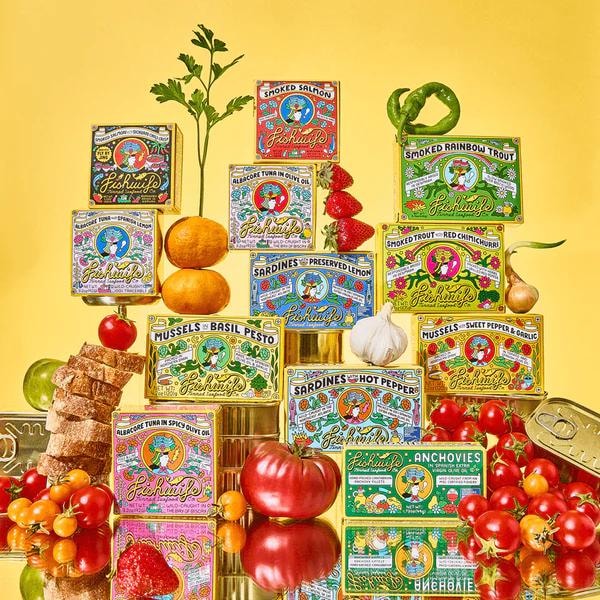
Fishwife and the Canned Seafood Cultural Moment
Christie Bellino6 min read
Opening a restaurant starts long before the menu. The restaurants that stand the test of time begin with a great concept, not just a great recipe.

Food, Beverage & Concept Development Contributor

Opening a restaurant starts long before the menu.
The restaurants that stand the test of time rarely begin with a great recipe. They begin with a great concept. That's because a restaurant isn't simply a place to eat. It's an experience, a brand, a business model, and a promise to every customer who walks through the door.
If you've ever said, "I've always wanted to open a restaurant," here are the fundamentals to think through before spending your first dollar.
Every successful restaurant answers one important question: why does this restaurant need to exist?
Maybe your city lacks authentic Neapolitan pizza. Maybe you want to create an upscale steakhouse without the stuffiness. Maybe your family recipes deserve a wider audience.
Your "why" becomes your North Star. It will guide everything from your menu to your marketing.
If your only answer is "because I love cooking," keep digging. Great chefs don't automatically become great restaurant owners.
One of the biggest mistakes first-time owners make is trying to appeal to everyone.
Instead, define your ideal guest. Are they young professionals, families with children, foodies looking for unique experiences, tourists, date-night couples, or health-conscious diners? The clearer your audience, the easier every decision becomes.
Many restaurant concepts fail because the pricing and the experience don't match.
Decide early whether you're building a quick service, casual dining, fast casual, premium casual, or fine dining concept. Your interior design, staffing, menu, beverage program, and location should all support that positioning.
"Passion fuels restaurants. Financial discipline keeps them open."
New owners often create menus based on what they like to cook. Experienced operators build menus around what customers will consistently order while maintaining healthy profit margins.
A focused menu usually performs better than an oversized one. Every item should earn its place.
The perfect concept in the wrong location can struggle. Look beyond rent. Consider parking, visibility, the surrounding neighborhood, nearby businesses, and what foot traffic actually looks like at different times of day.
Sometimes paying slightly more for a stronger location is the smartest investment you'll make.
Don't be intimidated by nearby restaurants. Learn from them.
Visit during different times of day. Observe wait times, customer demographics, service style, menu pricing, and online reviews. Note what they're doing well and where guests seem disappointed.
The goal isn't to copy anyone. It's to identify opportunities they haven't filled.
Today's customers remember experiences. Think beyond tables and chairs. Lighting, music, branding, plate presentation, uniforms, signature cocktails, and customer service all communicate something about your brand.
Your logo is only part of your identity. Think about your restaurant name, your story, your voice on social media, your photography, your website, your signage, and your color palette.
The strongest restaurant brands feel consistent everywhere customers encounter them.
Restaurants operate on thin margins. Before opening, understand your food cost, labor cost, occupancy expenses, utilities, insurance, payroll taxes, marketing, equipment maintenance, and technology subscriptions.
Passion fuels restaurants. Financial discipline keeps them open.
Every successful restaurant eventually becomes a systems business. Create standard procedures for opening and closing, food preparation, inventory, ordering, cleaning, hiring, training, and customer complaints.
Systems create consistency, and consistency builds loyal guests.
Skills can be taught. Attitude is much harder.
The best restaurants aren't remembered only for great food. They're remembered because guests felt genuinely welcomed. Invest in people who care about people.
Your first customer shouldn't discover you on opening day. Start building excitement months in advance through social media, local media, community events, email newsletters, behind-the-scenes content, construction updates, tastings, and soft openings.
By the time you unlock the doors, people should already know your story.
"A successful restaurant is never just about what's on the plate. It's the result of hundreds of intentional decisions about branding, operations, hospitality, finance, design, and customer experience."
A successful restaurant is never just about what's on the plate. It's the result of hundreds of intentional decisions about branding, operations, hospitality, finance, design, and customer experience. The strongest concepts create a clear identity from day one, making every choice feel connected to a larger vision.
Before you order kitchen equipment or finalize recipes, spend time refining the concept itself. Because when the foundation is solid, everything else has a much better chance of succeeding.
About the author
Christie BellinoChristie Bellino covers food, beverage, and brand culture. She writes about the businesses, founders, and cultural forces shaping how we eat, drink, and experience hospitality.