
Innovation
The Co-CEOs Steering Waymo Into the Future
Paco Blanco9 min read
As Hersheypark enters its 120th year with new attractions and destination experiences, the story behind the brand offers a powerful lesson about failure, partnership, and redefining success.
Food, Beverage & Concept Development Contributor
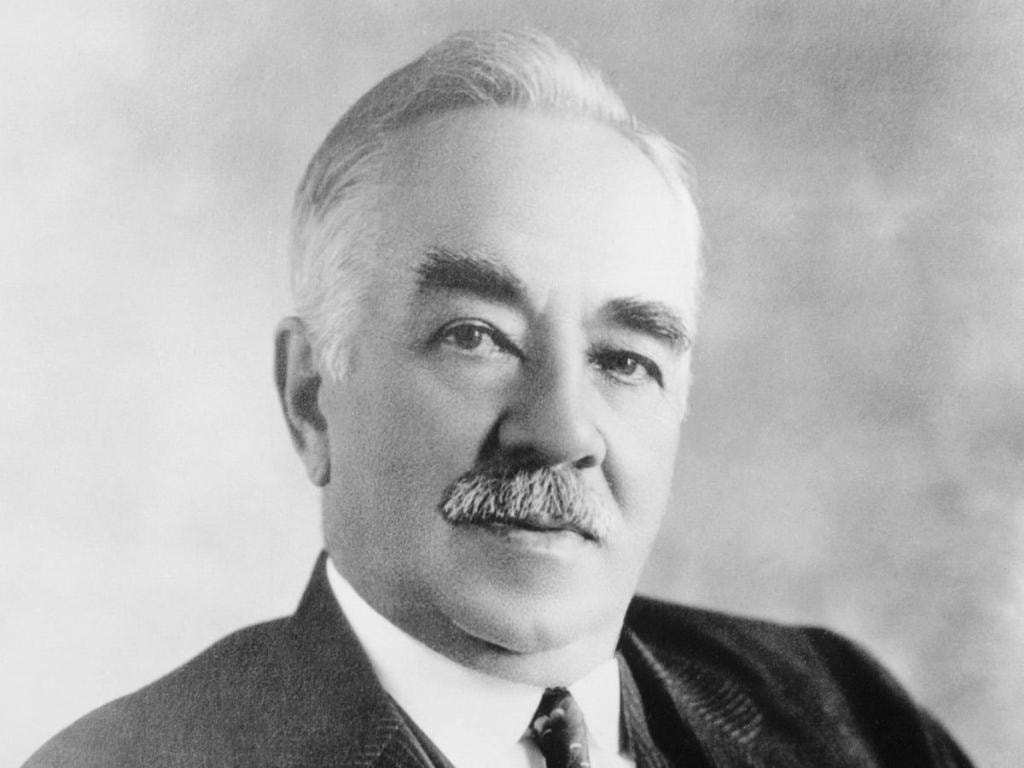
Before Milton Hershey became one of the most recognizable names in American business, he was a failed entrepreneur.
Not once. Repeatedly.
His first candy business in Philadelphia ended in bankruptcy. Later attempts in Chicago and New York also failed. With limited formal education, little money and several unsuccessful ventures behind him, Hershey returned to Pennsylvania facing the kind of moment that ends many entrepreneurial careers.
Instead, he started again.
Hershey eventually founded the Lancaster Caramel Company, using a caramel-making technique he had learned while working in Denver. The business became successful, giving him the capital and credibility to pursue a much bigger idea: making milk chocolate affordable for ordinary Americans. In 1900, he sold the caramel company for $1 million and concentrated his attention on chocolate.
It was a bold move, but Hershey's most consequential partnership was not with an investor, manufacturer or retailer.
It was with his wife, Catherine.
Milton Hershey met Catherine Sweeney in Jamestown, New York, while traveling for business. They married in 1898, when Hershey was still building the company that would eventually make his name synonymous with chocolate.
Known as Kitty, Catherine brought warmth, optimism and a sense of possibility to a man often described as quiet, serious and intensely focused on his work. Hershey's own historical organization says that while marriage gave Catherine financial security, she gave Milton "joy and gaiety." Even as she developed a debilitating illness that increasingly limited her mobility, she maintained an unusually positive outlook.
""Catherine helped shape what success would ultimately mean to her husband.""
Catherine's influence is sometimes understated because she was not running factories or negotiating chocolate distribution. Her importance emerged in a different way.
Milton and Catherine were unable to have children. Rather than allowing that disappointment to define their lives, they began imagining how their resources could provide a home, education and future for children who lacked those opportunities.
In 1909, the couple founded what was originally called the Hershey Industrial School, now known as Milton Hershey School. The school was created to provide housing and education to orphaned boys and has since grown to serve nearly 2,200 students from income-eligible families, at no cost to those families.
Hershey later credited Catherine with the original plan to establish the school. Their vision transformed his fortune from the product of a successful company into the foundation of an enduring social institution.
Catherine may not have been responsible for Hershey's chocolate formula, but she was instrumental in helping determine what the wealth created by that formula would accomplish.
Hershey did not simply construct a chocolate factory. He developed an entire community around it.
He invested in housing, transportation, education and recreation for workers and their families. In 1906, he opened a leisure park along Spring Creek that offered employees and local residents a place to gather, relax and enjoy themselves.
That modest recreational space became Hersheypark.
Hersheypark officially opened to the public on May 30, 1906. Over the following 120 years, it grew into a 121-acre destination with roller coasters, family attractions, a water park and ZooAmerica.
""A company should not only generate profit. It should improve the lives of the people connected to it.""
Catherine's influence remained visible even after her death in 1915. Milton never remarried, carried a photograph of her for the rest of his life and continued developing projects inspired by their shared travels and ambitions. The Hotel Hershey, for example, grew from a dream the couple had discussed after visiting grand hotels abroad.
In 1918, Hershey transferred virtually his entire personal fortune, including his controlling interest in the chocolate company, to a trust supporting the school he and Catherine had created.
It was a business decision almost unimaginable by modern standards. Instead of preserving the fortune primarily for himself or future heirs, Hershey designed a structure through which the success of the brand would continue supporting children long after his death.
In 2026, Hersheypark is celebrating its 120th operating year, and the larger Hershey destination continues to grow.
The newest developments include two water-play areas at Bayside Pier within The Boardwalk at Hersheypark. The Inlet features a shaded play zone with water-spouting dolphins, fish and spray features. The Island includes 10-foot-tall palm trees that tip buckets of water. Together, the areas introduce 45 aquatic elements designed for younger guests and families.
The destination is also adding Hershey Inn and Suites, a four-story hotel with 130 guest rooms, an indoor pool, an arcade and other family amenities. A new restaurant, Hershey Social Restaurant and Bar, is also part of the destination's 2026 expansion.
These projects may look like conventional hospitality investments, but their structure connects directly to the Hersheys' original vision. Revenue generated across the Hershey destination helps support Milton Hershey School and the students it serves. Experiences ranging from park visits and hotel stays to concerts and dining contribute to the school's mission.
In that sense, Hersheypark is more than an attraction attached to a candy company.
It is part of a business ecosystem built to sustain a philanthropic purpose.
Milton Hershey's story is often presented as a classic tale of persistence: an entrepreneur fails, tries again and eventually becomes wealthy.
That version is true, but incomplete.
His failures taught him how to rebuild. Catherine helped him understand what the rebuilding was ultimately for.
""Together, they expanded the definition of entrepreneurial success beyond revenue, market share and personal wealth.""
They built a company, a community, a school and a destination designed to outlive them both.
The chocolate made Milton Hershey famous.
Catherine helped ensure that his success would matter.
As Hersheypark begins its next chapter 120 years after opening, the most powerful part of the story is not how a bankrupt candy maker eventually built an empire.
It is how he and his wife turned that empire into something they believed could give other people a better life.
About the author
Christie BellinoChristie Bellino is a brand strategist, concept developer, and hospitality industry veteran with deep expertise across food and beverage, restaurant development, and consumer packaged goods. She covers food and beverage innovation, restaurant concepts, CPG brands, and the entrepreneurs redefining how people eat, drink, and experience culture.